A new class of game engine

Built on physics.
Not shortcuts.

Ractr is a physics-native game engine derived from a single scalar field: the same equation renders light, drives gravity, and ticks clocks. License it to build worlds classical engines can't. Invest in the company building both the engine and the first studio shipping on it.

See how it works →
4 / 4physics gates pass
0.01%error on time dilation
1scalar field, total
0free parameters
The engine

Capabilities no classical engine has

Ractr is built on Density Field Dynamics (DFD) — a unified theory of gravity, optics, and time that passes every laboratory and astronomical test of gravity performed to date, with zero free parameters. Every visual and physical system in the engine is a query against the same field.

ψ

One field, three systems

A single scalar ψ(x,t) is the refractive index, gravitational potential, and clock rate, simultaneously. Renderer, physics, and time share one GPU buffer. They can't drift out of sync because they literally read the same data.

Unbounded world size

ψ decays as 1/r outside mass — its analytic far-field works at any scale. A fine-grid simulation bubble follows the player. GPU cost is bounded; world size is not. Planetary-scale MMOs become tractable.

Gravitational lensing, free

Rays curve through ψ by Fermat's principle. Lensing, redshift, and visible time dilation near mass are emergent, not postprocess. The same equation that matches Einstein's solar-system tests renders your frame.

Editing costs are local

Modify the density ρ in a region — the field re-relaxes locally over a few frames. No BVH rebuilds, no clipmap refills, no 6-second stalls. Edit cost scales with edit volume, not world size.

Physics cannot explode

The field equation's energy functional is convex. The solver converges monotonically. No warm-starting, no Baumgarte, no constraint stabilization. The math guarantees stability where classical rigid-body stacks fail.

Verified, not asserted

Four quantitative physics gates — far-field decay, light deflection, Kepler orbits, clock dilation — all pass on a 128³ reference grid. Reference implementation runs at interactive framerates on an M3 Pro. Not a demo. Not a whitepaper.

Ractr vs SDF

Beyond signed-distance fields

SDF engines were the state of the art for procedural worlds. Ractr supersedes them: same continuous-volume representation, but with real physics instead of a distance metric — and without the performance traps that cripple SDF editing at scale.

Capability
Classical SDF engine
Ractr (DFD)
What the field represents
Distance to nearest surface — geometric abstraction, no physical meaning.
A real physical quantity (ψ): refractive index, gravity, and clock rate all at once.
Physics
Bolted on. A separate rigid-body engine, with its own constraint solver that disagrees with the render surface.
Emergent from the same field. Gravity is ∇ψ, sampled from the GPU buffer the renderer uses.
Light behavior
Straight rays only. Lensing and refraction are shader fakes.
Rays curve through ψ by Fermat's principle. Lensing and redshift are real, not post-FX.
Editing at scale
Full clipmap refill on every edit — 3–6 second hitches common. Scales with world size.
Local Jacobi reconvergence over a few frames. Bounded by edit volume, not world size. Ripple visibly propagates at c.
World size
Bounded by procedural SDF evaluation cost. Chunks, streaming, LOD pops.
Analytic far-field (ψ ∝ 1/r) handles the exterior at zero cost. A following simulation bubble does the near field. No chunking.
Solver stability
Depends on authoring discipline and distance-function correctness.
Convex energy functional. Proven monotonic convergence. Math says it can't blow up.
Validation
"Looks right."
Four quantitative physics gates pass against analytic predictions on a 128³ reference grid.

We lost 50,000 lines of SDF engine code the hard way, and used it as forcing function. The replacement is smaller, faster where it counts, and physically correct by construction.

The physics

Density Field Dynamics

DFD posits that the universe is flat three-dimensional space permeated by a single scalar field ψ. Gravity, optical lensing, and time dilation emerge as consequences of two postulates — not independent assumptions stacked together.

It passes every gravitational measurement made to date: solar-system precision tests, binary pulsar timing, LIGO gravitational-wave speeds, EHT black-hole shadows. Zero free parameters once the Hubble constant is measured. Published paper, 208 pages, v3.4 (April 2026).

Because nature is running one field, the most efficient game engine for that universe is the same field — relaxed, sampled, and rendered on a GPU.

Field equation
∇·[ μ(|∇ψ|/a) ∇ψ ] = −(8πG/c²)(ρ − ρ̄)
P1 — Light
ds² = −c²dt²/n² + dx², n = eψ
P2 — Matter
a = (c²/2) ∇ψ
Clock rate
dtproper = dt / n
Who licenses Ractr

Built for the worlds other engines can't ship

If your game or product is blocked by a classical engine's assumptions — triangle meshes, mesh-based collision, baked lighting, chunk-based streaming — Ractr removes the blocker at the substrate level.

Planetary-scale MMOs

Whole-planet worlds at constant per-client GPU cost. No LOD pop. No chunk seams. Fly from surface to orbit without a loading screen.

Simulation & sandbox

Destructible worlds where edits propagate causally. No pre-baking. No "destruction mode" as a separate system. Build, dig, collapse — the field reconverges.

Scientific & educational

Physically correct gravitational phenomena as gameplay: orbit a black hole, feel dilation, watch light bend. The visuals are the physics.

Virtual production

Previz with real optics. Lensing, caustics, and refraction without a separate offline renderer. Same engine for realtime and final pixel.

AI-driven worldbuilding

ρ is a scalar function — model-generatable. Text-to-world becomes a density field, not a mesh export pipeline. AI content plugs in at the substrate.

Research & defense

A reference implementation of a unified gravity theory with verified gates. Useful as a sandbox wherever field theories, gradient-index optics, or large-scale simulation are in scope.

Commercial licensing

License the engine

Ractr is source-available under commercial license. Pricing is structured to let studios evaluate, build, and scale without fighting the license.

Evaluation
Free
  • Full engine source
  • Internal prototyping, up to 12 months
  • Community support
  • No commercial release
Enterprise
Bespoke
  • Perpetual commercial rights
  • Dedicated engineering partnership
  • Custom physics modules (scale, precision, hardware)
  • Priority roadmap influence

Source stays private. Licensees get access under NDA. This is the engineering moat, not a GitHub sample.

The studio

Ractr is also the studio shipping on it

An AI-powered game development studio built entirely around the Ractr engine. The engine exists for the games. The games exist because the engine finally makes them possible.

Why the engine matters for the games

Classical engines fight the physics they simulate. Ractr is the physics. Games built on it can do what the classical stack can't: continuous worlds at any scale, gravitational lensing as gameplay, destruction that propagates causally, planet-sized MMOs with bounded per-client compute.

Why AI-native

The engine is small enough that a few engineers plus strong AI collaboration can ship worlds a traditional 200-person team would struggle with. Iteration velocity is the competitive advantage; the physics substrate is the unfair advantage.

What we ship first

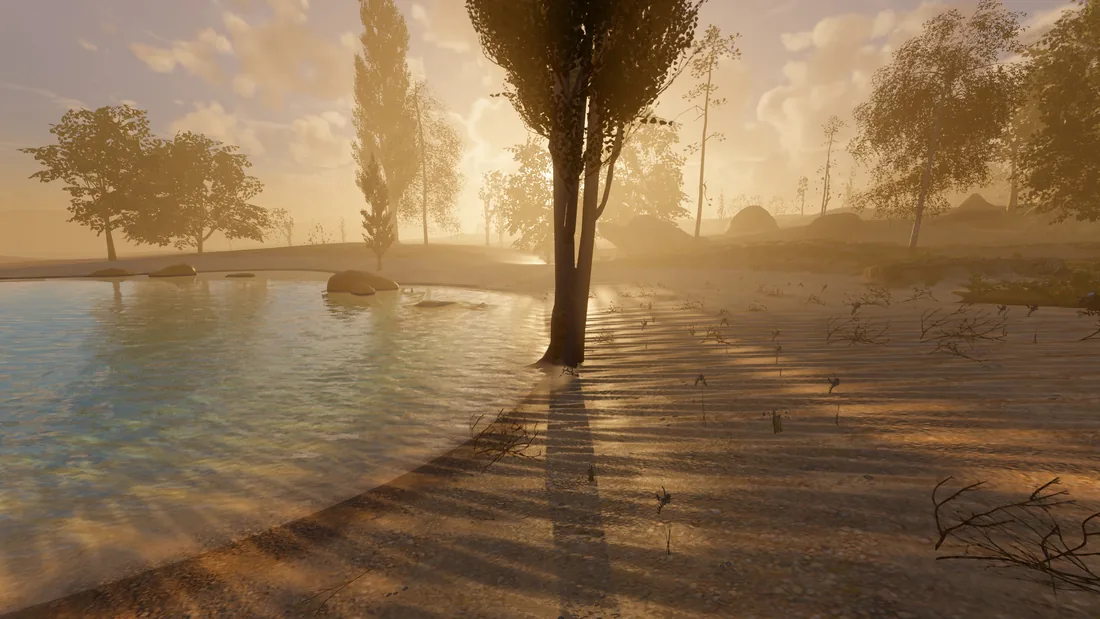
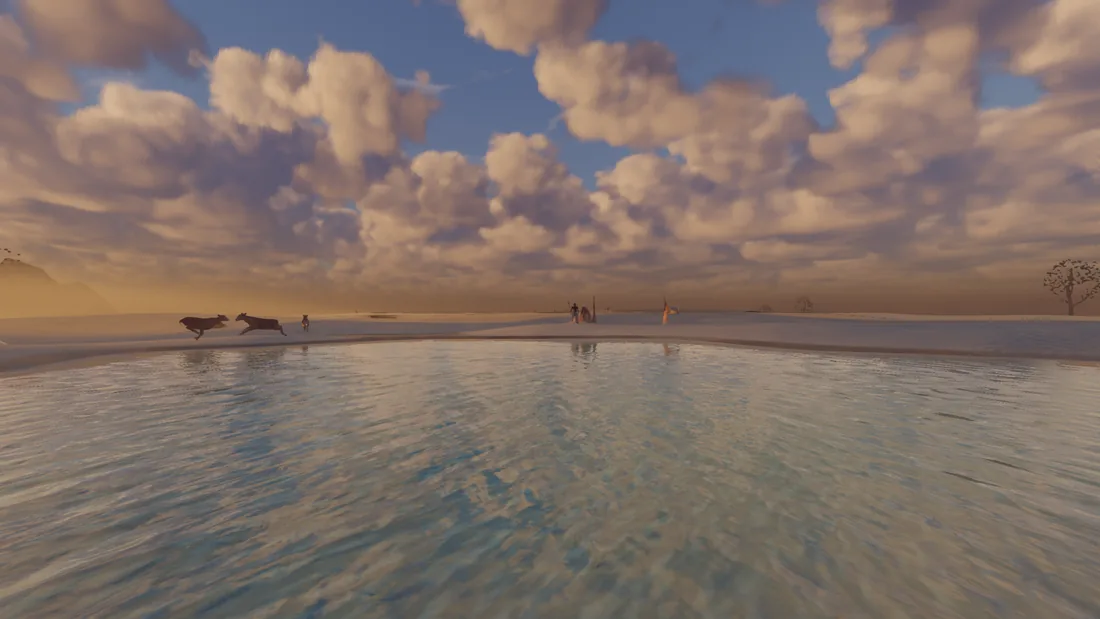
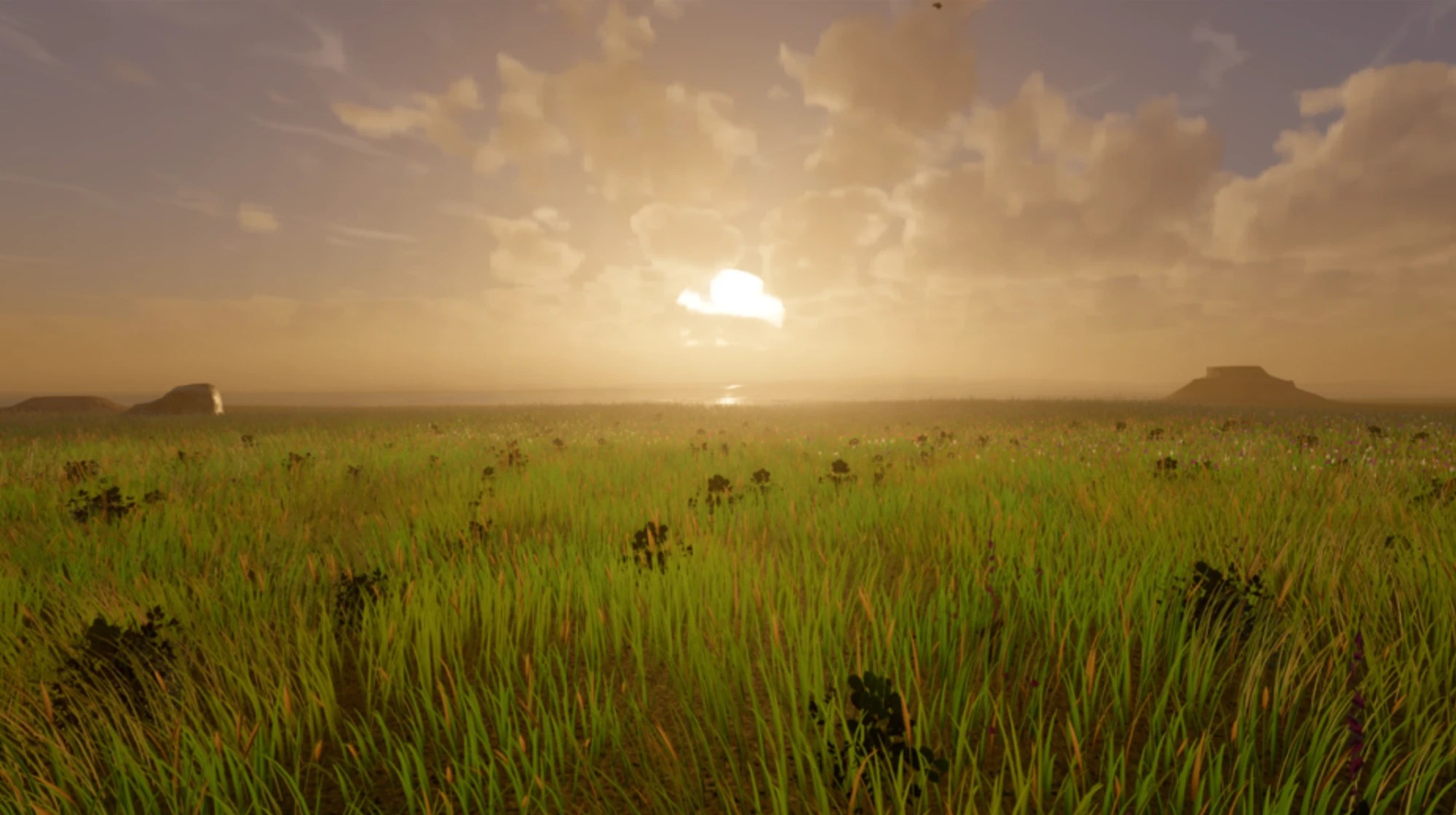
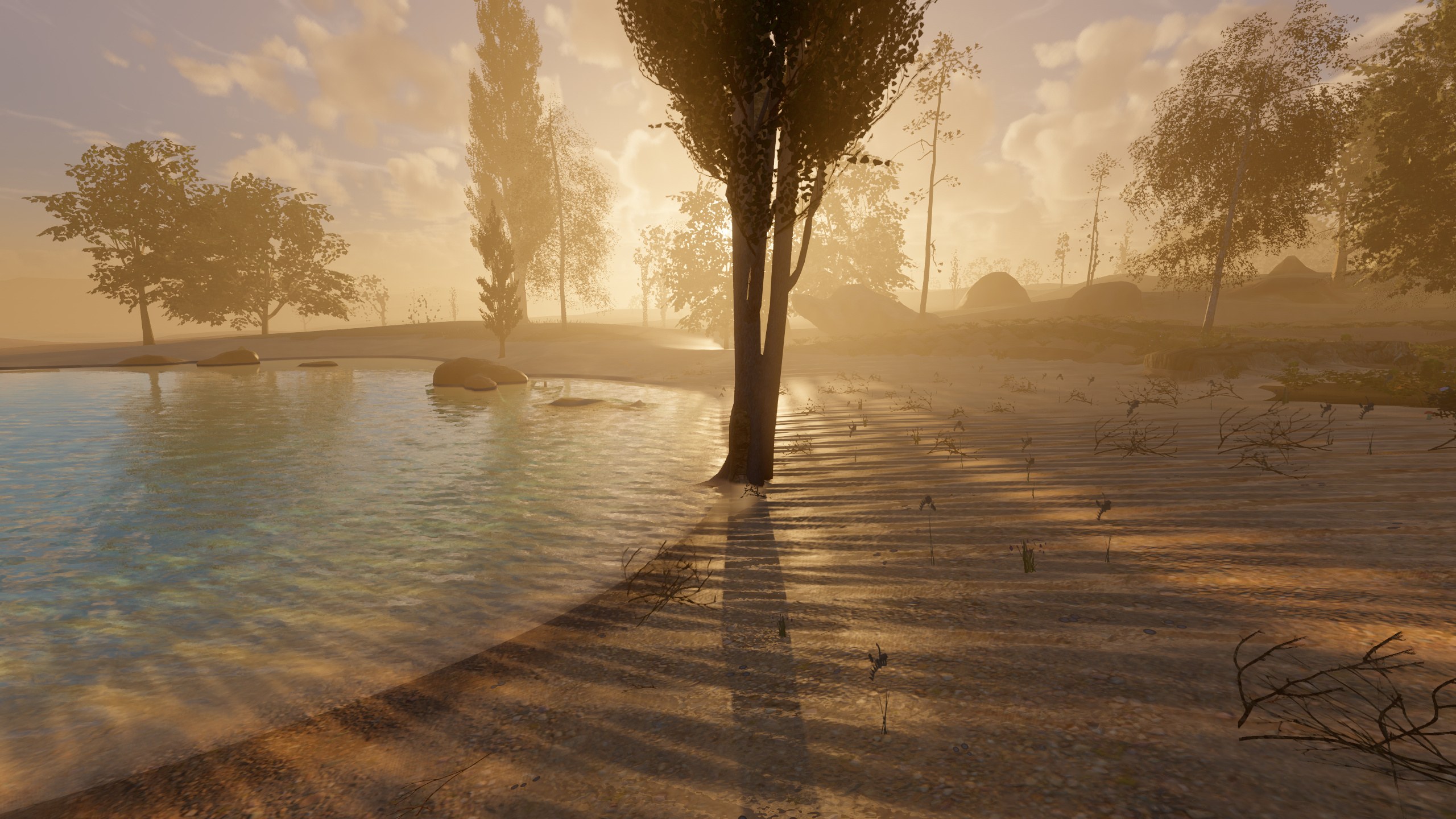
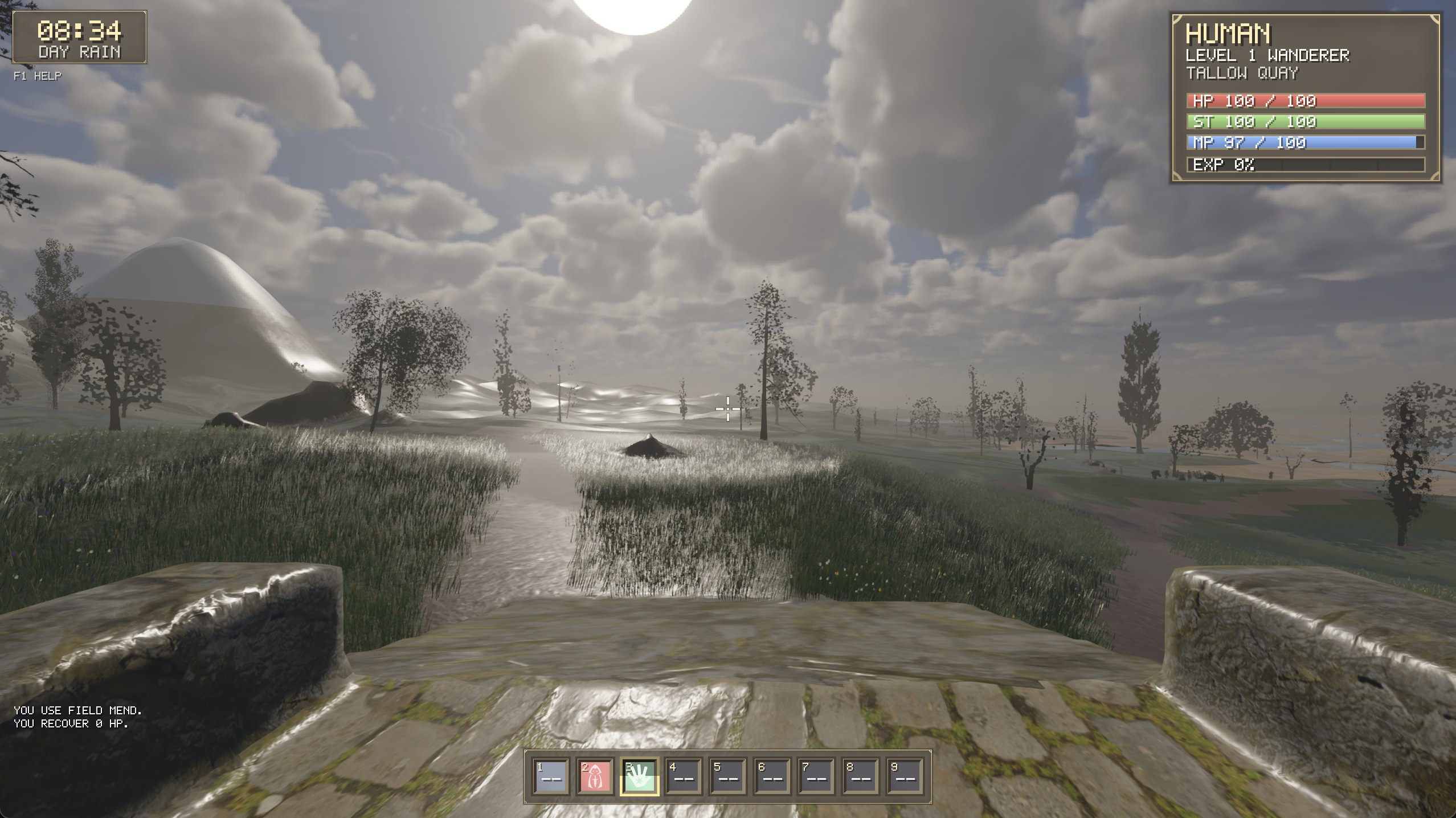
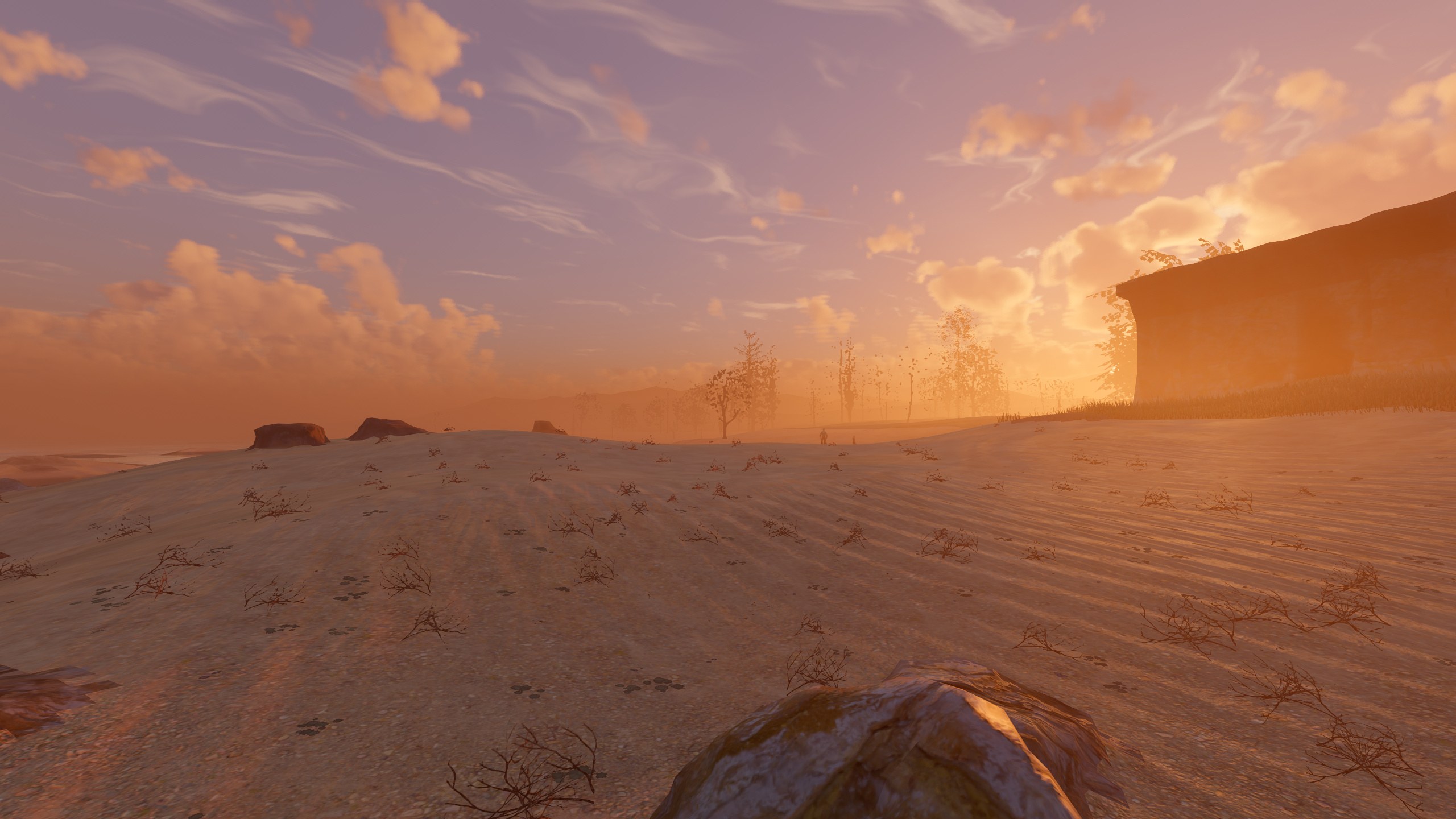
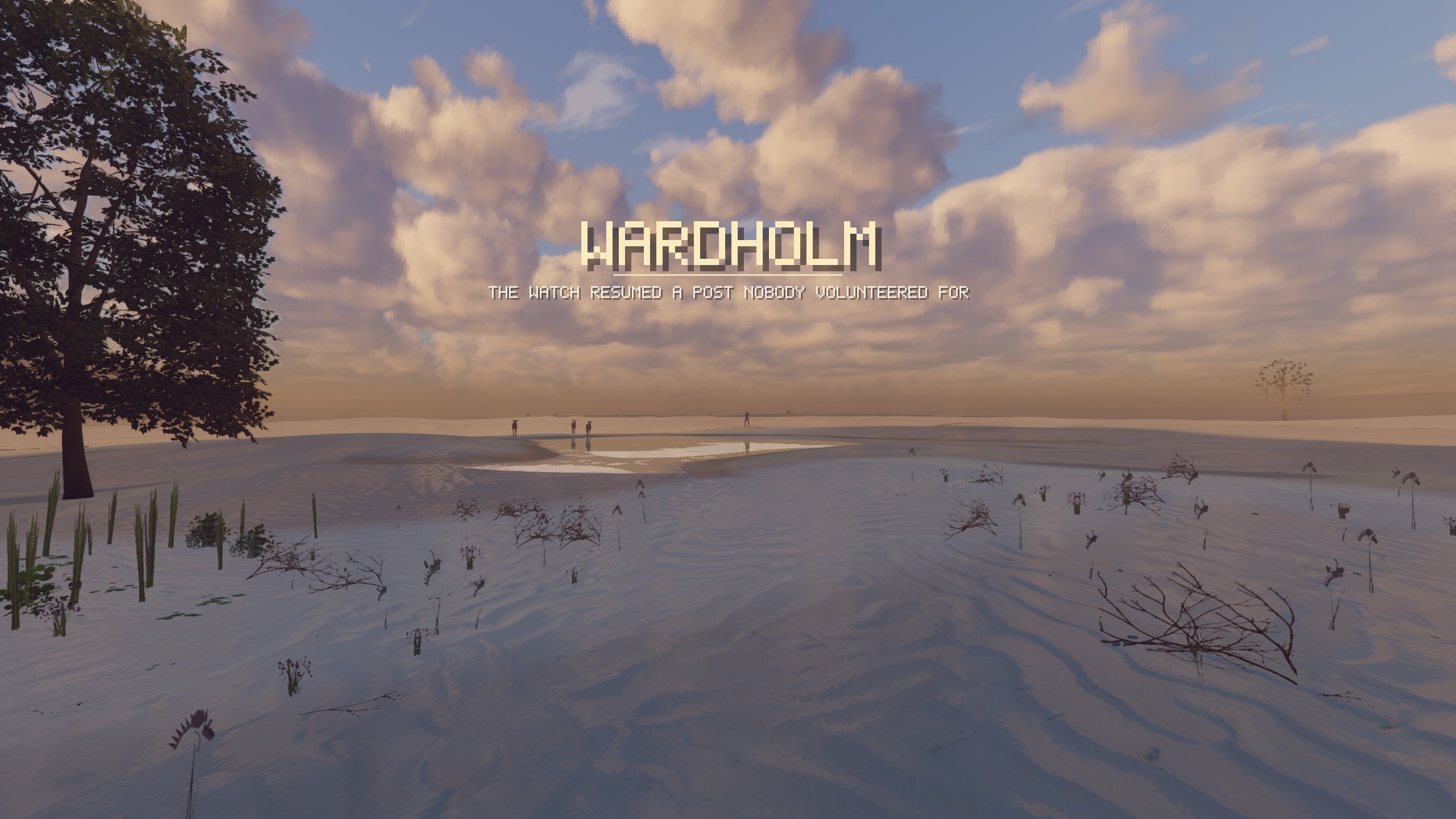
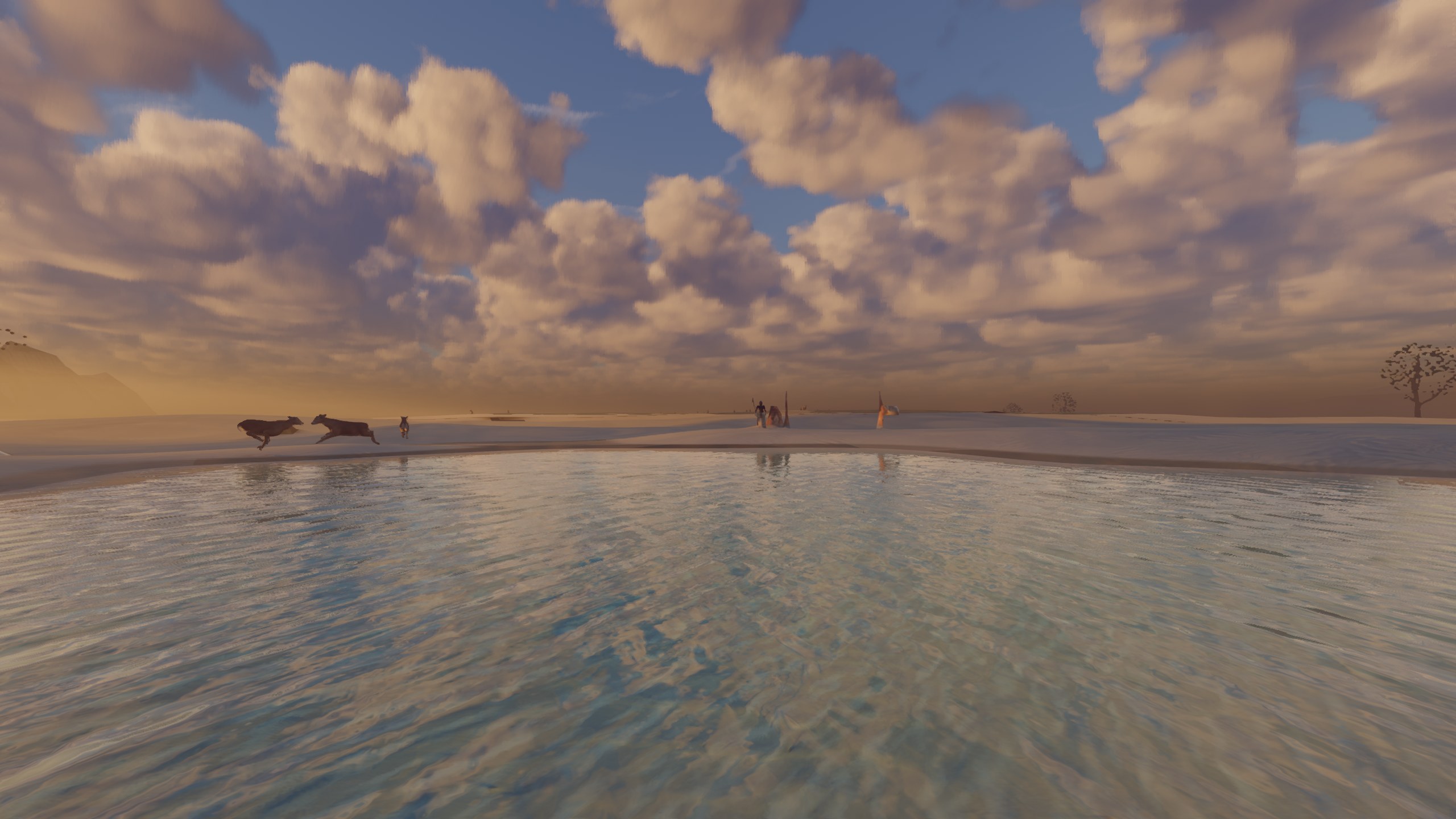
New Earth — an open-world MMO on a physically realistic planet. Walk across oceans, dig through mountains, watch the sun set into a sea of ray-curved light. Early access for backers once the scalable-world milestone lands.

Roadmap

Where we're going

Phase 0 — verification core

GPU Jacobi solver. Eikonal raymarcher. All four DFD physics gates pass to < 2% error on a 128³ grid.

New Earth — playable planet

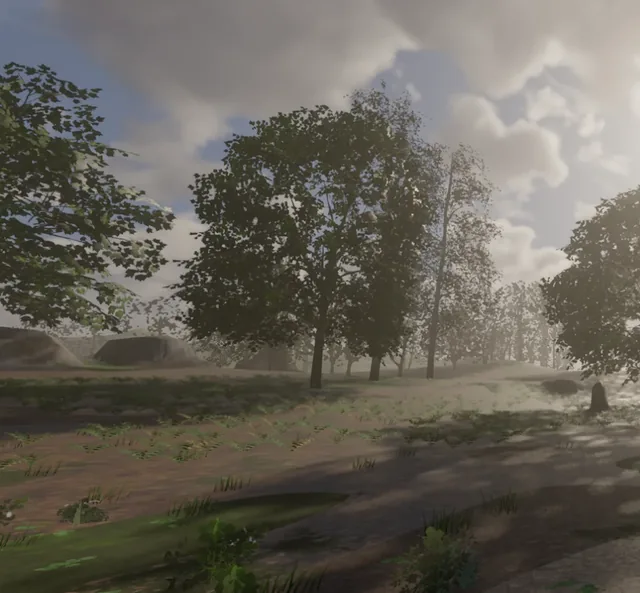
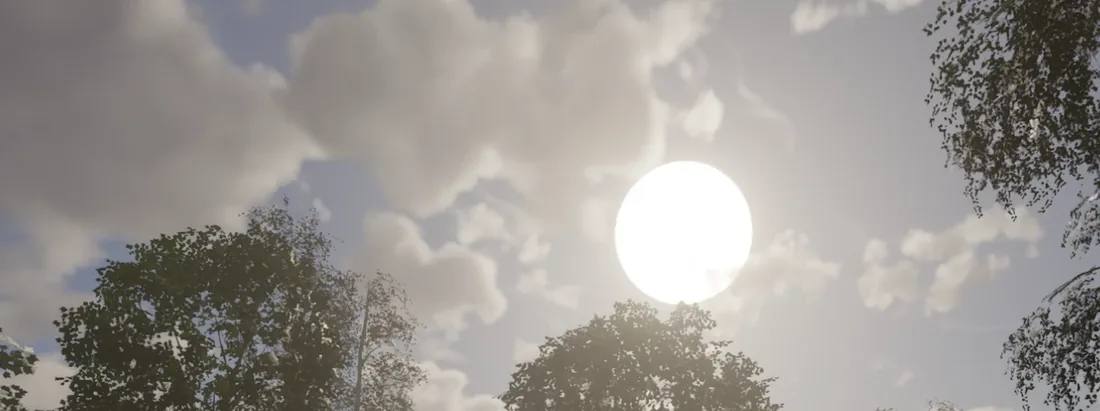
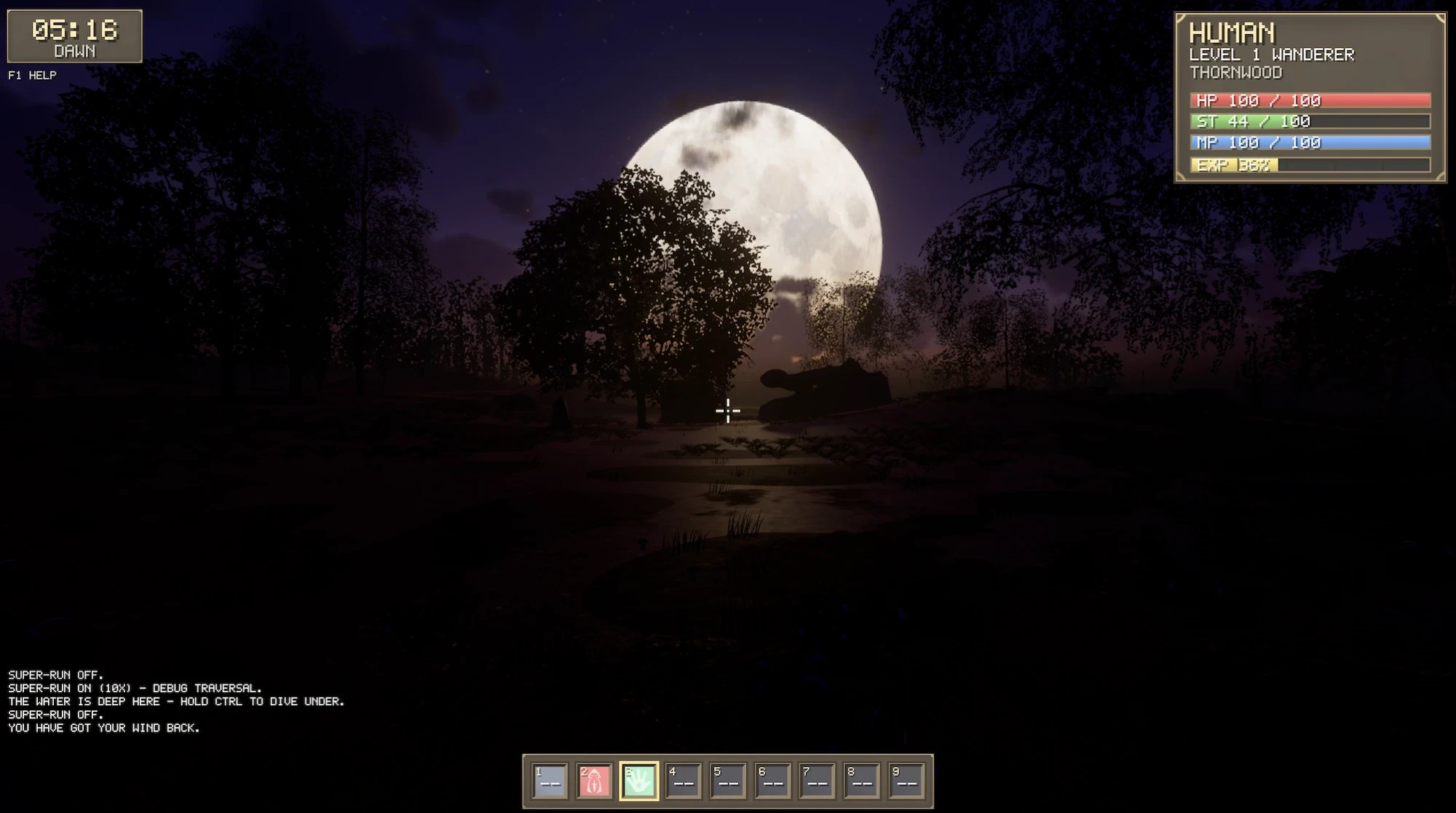
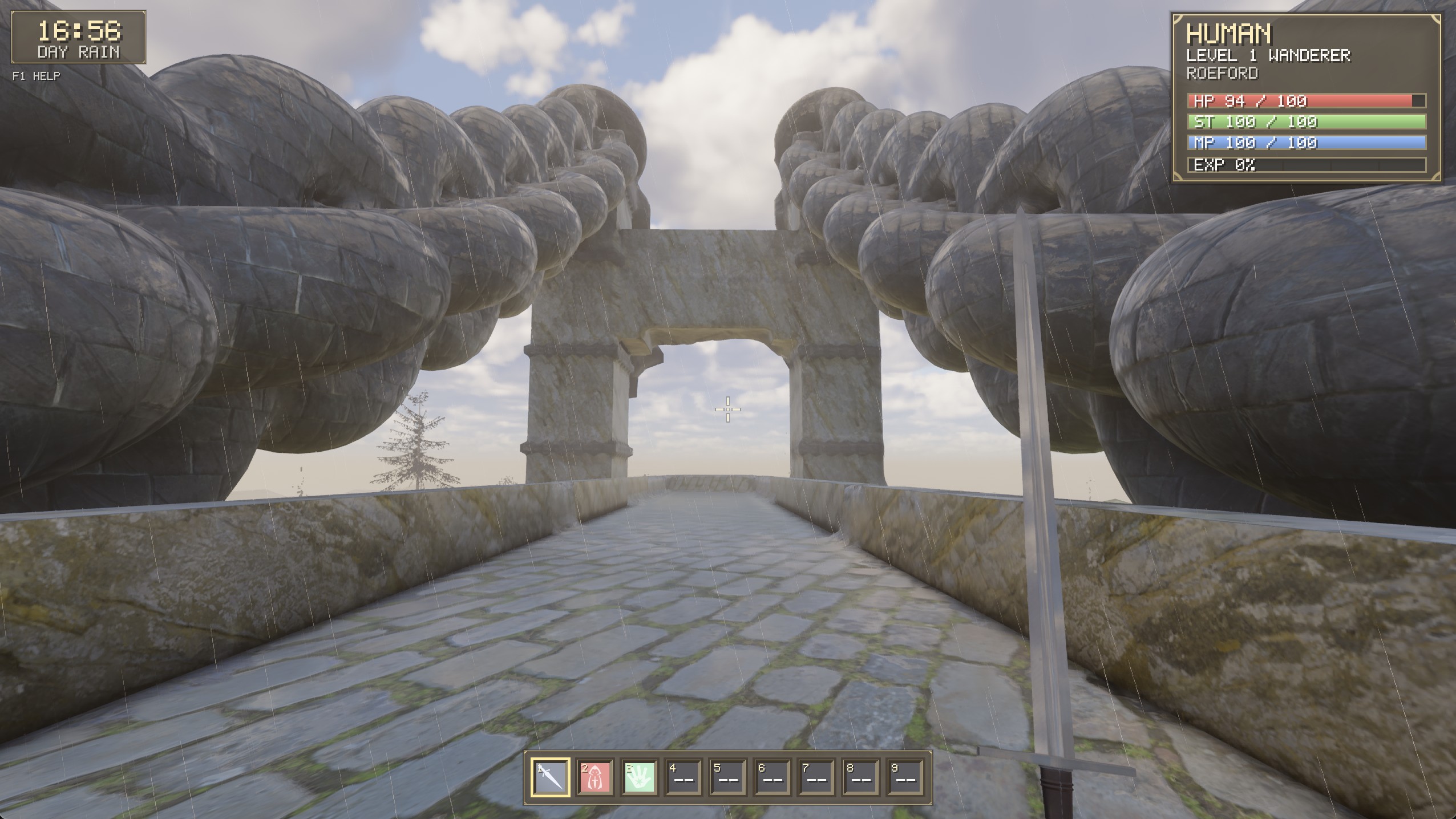
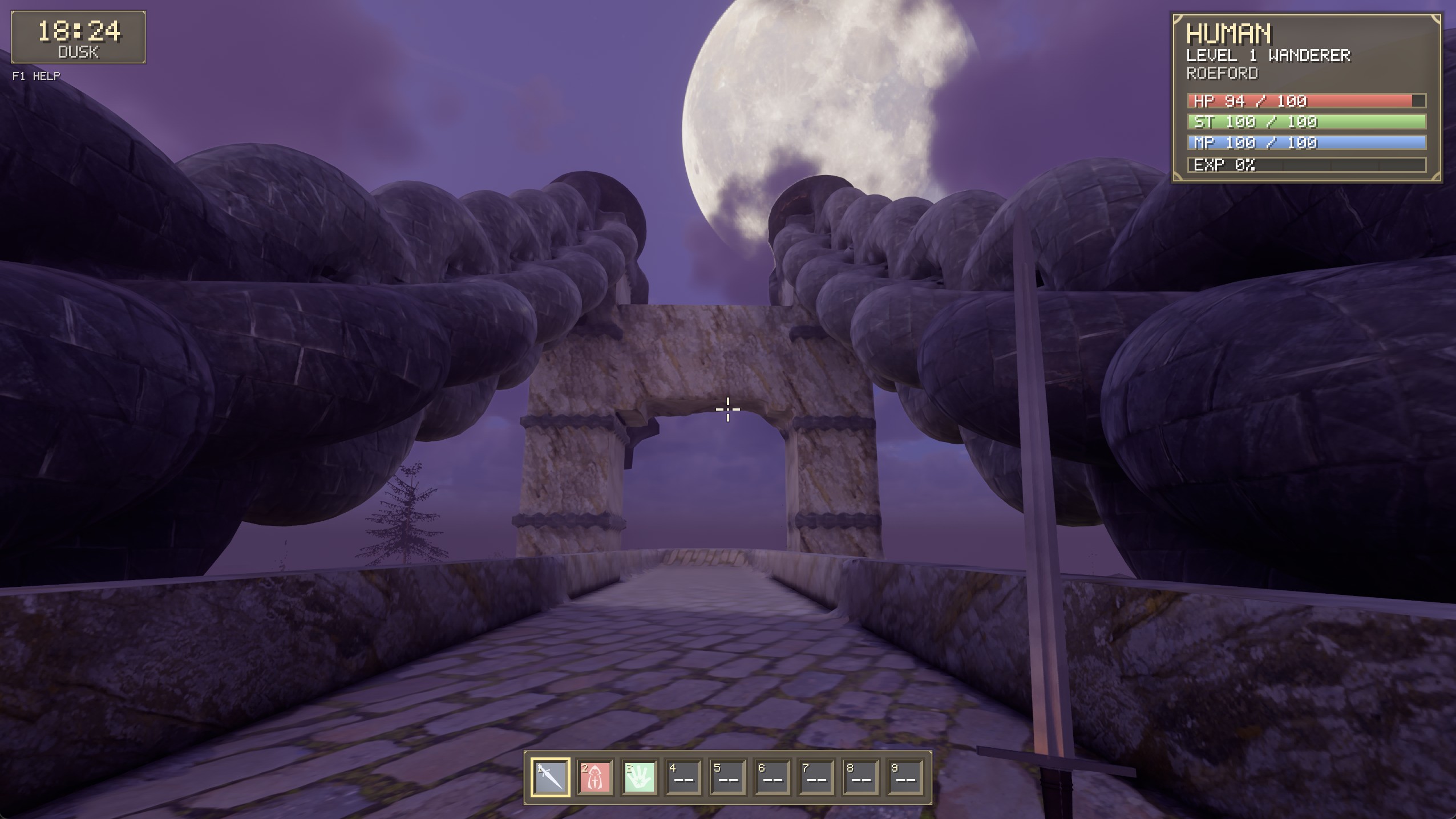
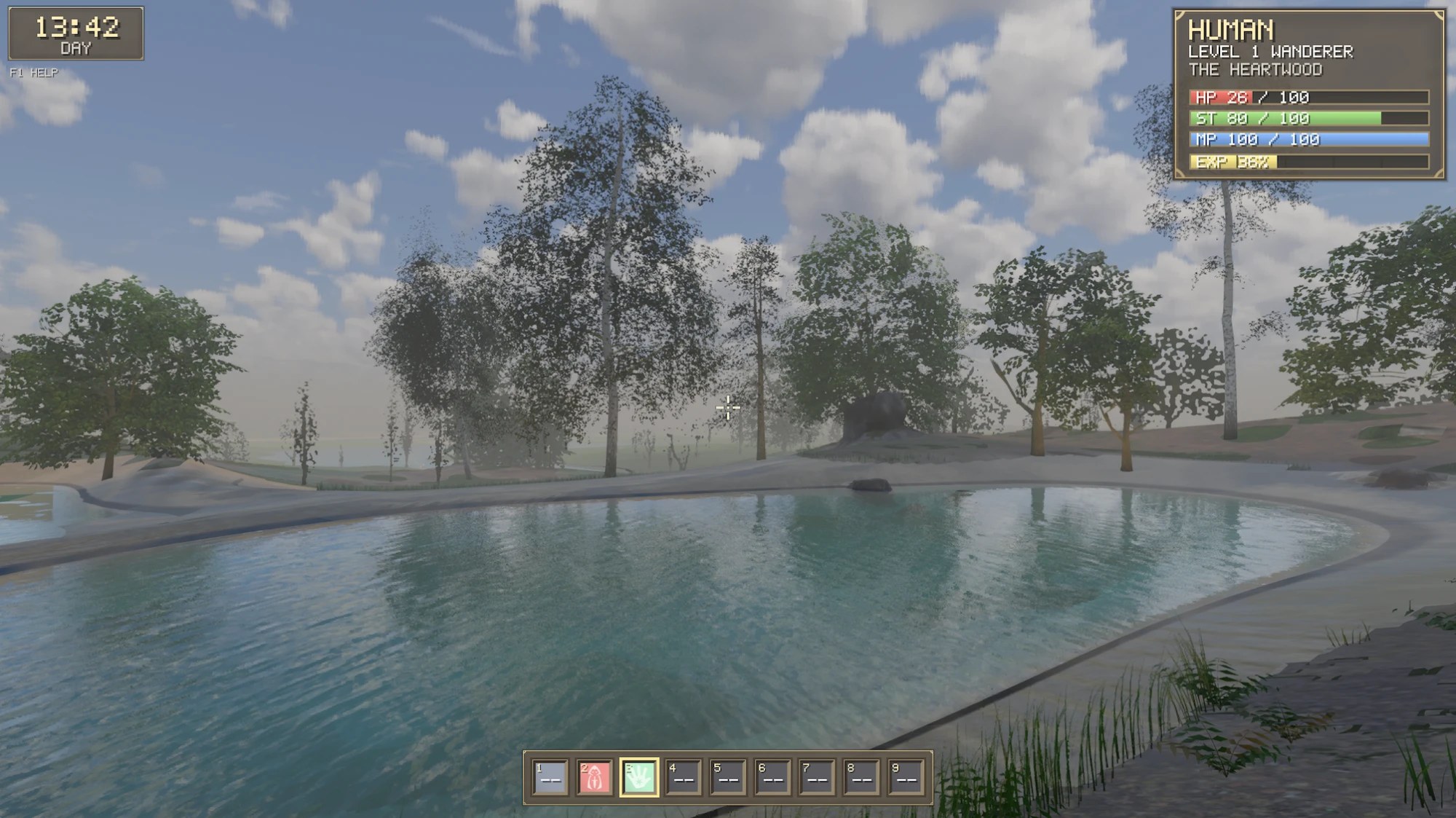
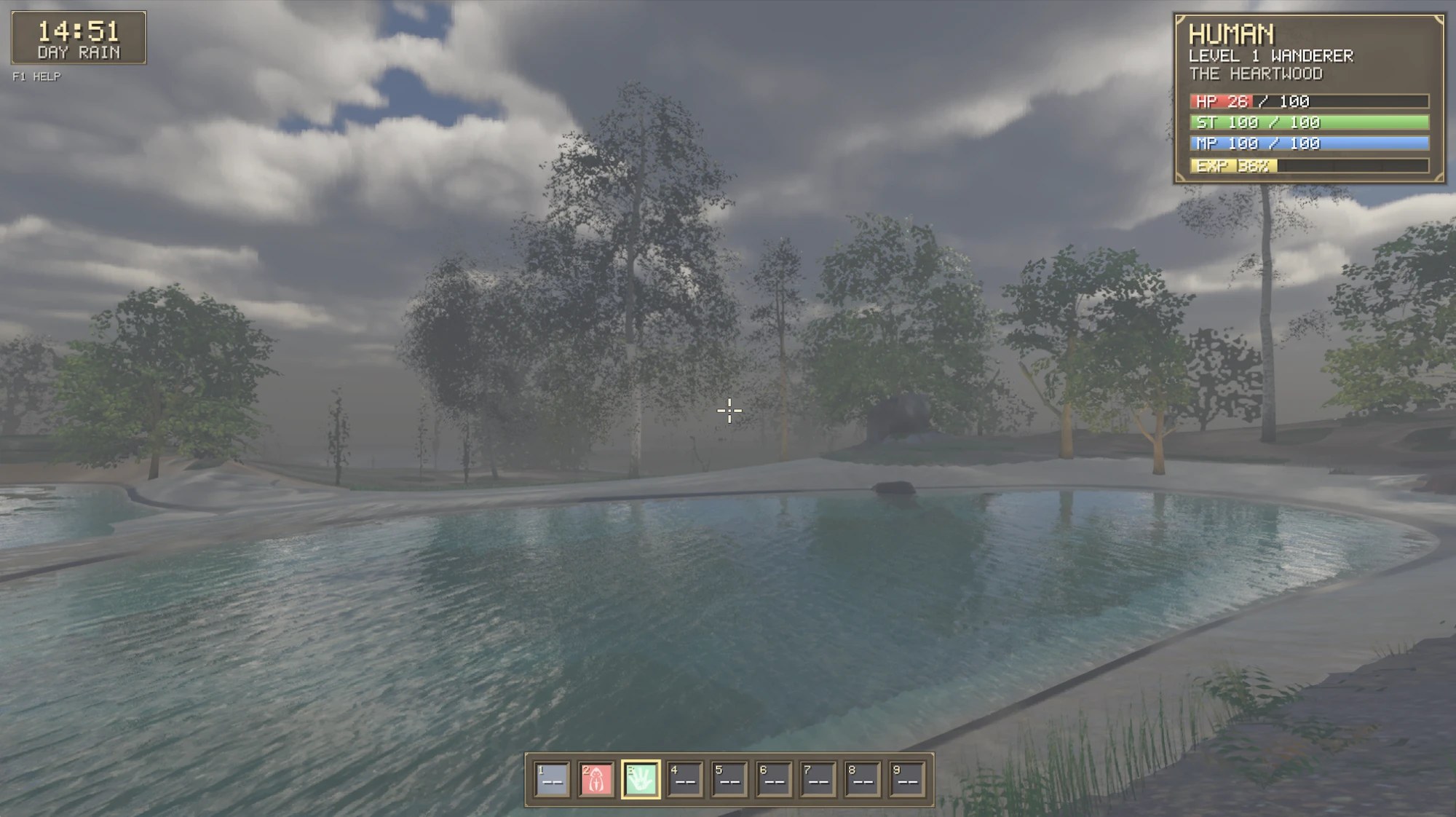
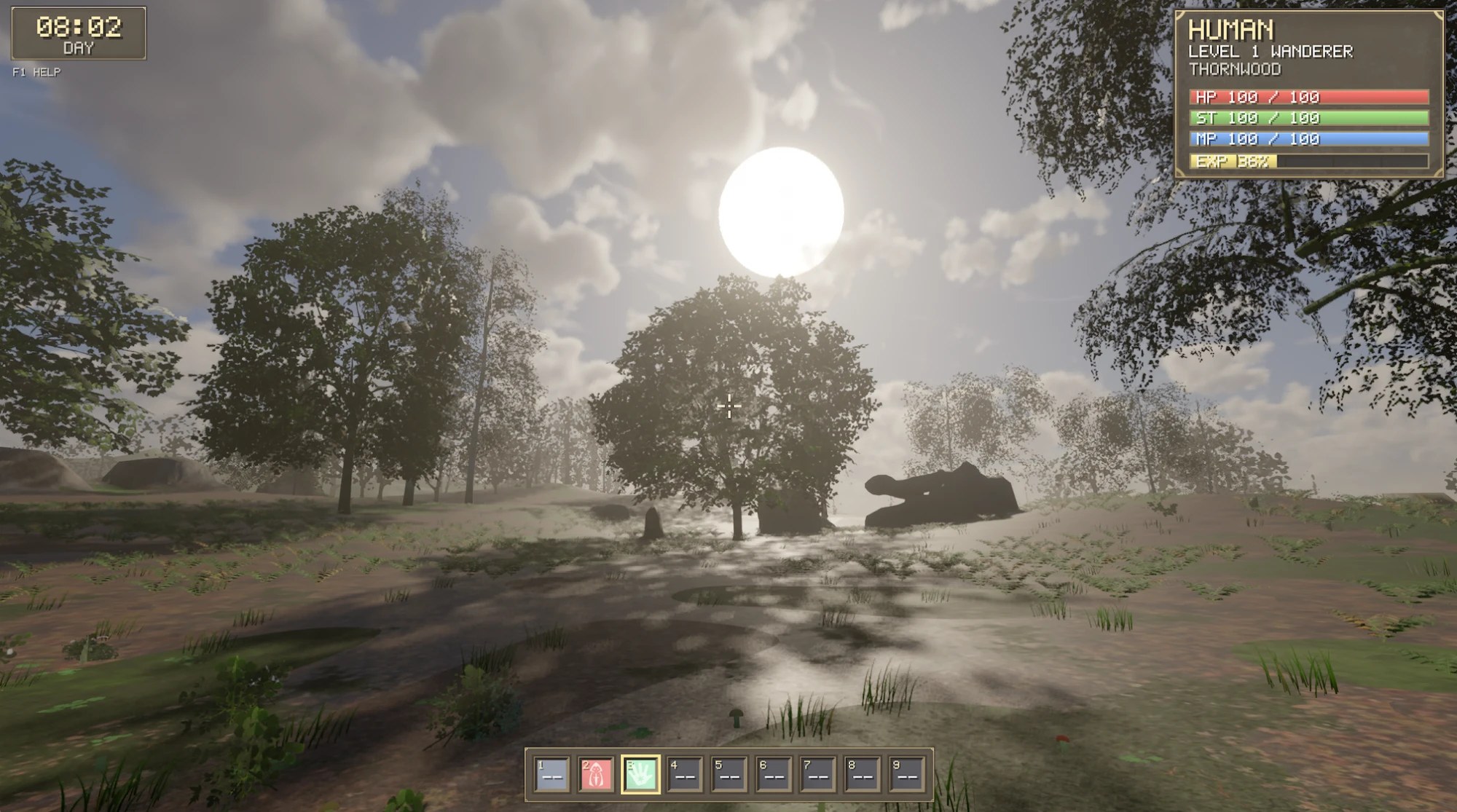
Procedural biomes, live solar corona, phase-correct moon, interactive build/destroy, player gravity, real-time raymarched viewer at 30–60 fps on M3 Pro.

Scalable world — floating bubble

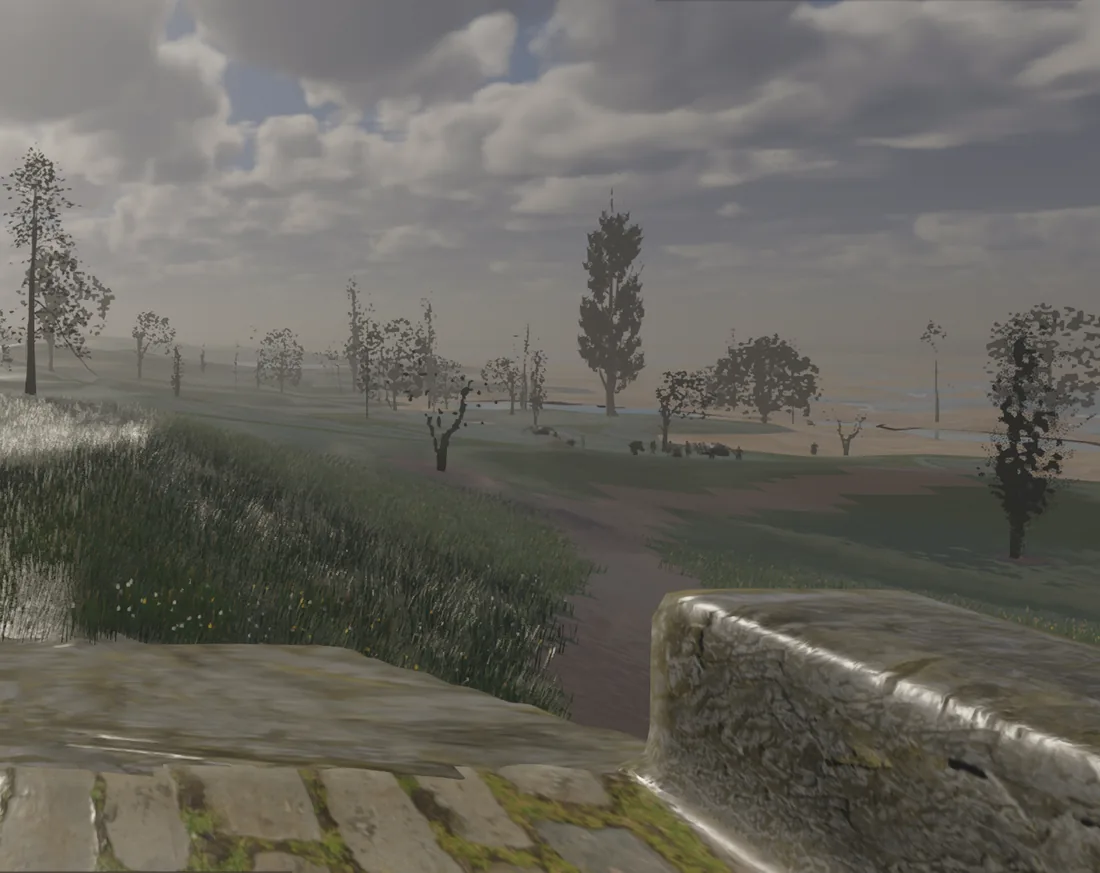
ρ becomes a procedural world-wide function. Fine grid follows the player. Analytic far-field handles the exterior. Walk a planet-sized world at constant GPU cost.

·

Solar system

Real Earth size. Sun and moon as actual mass sources. Orbital mechanics from the field. Fly from surface to orbit seamlessly.

·

Multiplayer

Server-authoritative ρ world. Each client runs its own bubble. Gravity between players transmitted through the shared far-field.

·

RPG systems

Classes, combat, tradeskills, quests — built on the Ractr substrate instead of around it.

Public devlog

Building Ractr, in public

The engineering journey, one session at a time. One post per build session — that's the rhythm.

Investment

Back a category of one

We're raising to accelerate the engine roadmap and ship the first AAA-quality world on a physics-native substrate. Accredited investors, $50K minimum.

Thesis

Every decade a new substrate redefines gaming. Meshes + rasterization (1996). Programmable shaders (2002). Physically based rendering (2014). The next substrate is a physics-native field. Ractr ships it first.

Moat

Density Field Dynamics is a published unified theory with zero free parameters, derived by the founder. Competitors would need to derive or license the same theory to match capability. This is defensible at the physics layer, not just the code layer.

Revenue

Two lines — engine licensing (AAA, simulation, research, defense) and studio game revenue (MMO, live service). Licensing cash-flows first; studio compounds.

Traction

Engine verified on four physics gates. Playable planet prototype. Public devlog. Paper v3.4. Reference implementation running in Rust on wgpu across Metal/Vulkan/DX12.

Accredited investors only · Minimum $50K · Current round open